Canada Bill C-3 2026: New Citizenship by Descent Rules Explained
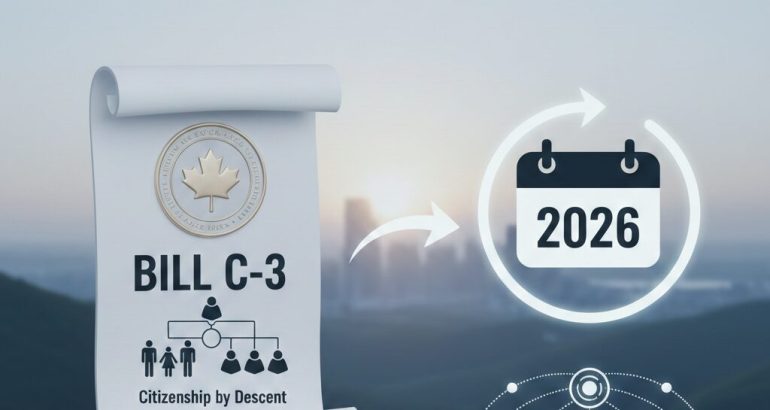
In 2026, important changes are expected to reshape citizenship by descent rules in Canada. Bill C-3 is designed to address long-standing concerns about the “first-generation limit” and may significantly expand eligibility for children born abroad to Canadian parents.
For many families with Canadian roots living outside Canada, this reform could create new opportunities to secure citizenship for the next generation.
This article explains what Bill C-3 means, who may benefit, and how to prepare.
Understanding the Current Rule: The First-Generation Limit
Under the existing Citizenship Act, Canadian citizens who were themselves born outside Canada and obtained citizenship by descent generally cannot automatically pass citizenship to their children born abroad.
This rule is known as the first-generation limit.
In simple terms:
- If you were born in Canada → you can pass citizenship to your child born abroad.
- If you were born outside Canada to a Canadian parent → you usually cannot pass citizenship to your child born abroad.
This limitation has affected many families who maintain strong ties to Canada but live overseas for work or business.
What Bill C-3 Proposes to Change
Bill C-3 aims to modernize citizenship by descent rules and address fairness concerns raised in recent legal discussions.
The proposed changes may include:
- Expanding citizenship transmission beyond the first generation.
- Allowing certain individuals previously excluded to become eligible.
- Providing a pathway for affected individuals to apply for proof of citizenship.
- Clarifying residency or connection requirements (if introduced).
The implementation and operational guidelines will be managed by Immigration, Refugees and Citizenship Canada.
Who May Benefit in 2026?
If the bill is implemented as expected, the following groups may benefit:
- Second-generation children born abroad.
- Families previously refused citizenship certificates.
- Individuals who lost eligibility due to technical legal limitations.
- Canadians working overseas who plan to raise families abroad.
- Business families and entrepreneurs maintaining international operations.
Before vs After Bill C-3: Key Differences
| Category | Current Law | Expected Under Bill C-3 |
|---|---|---|
| First generation born abroad | Can pass citizenship | No major change |
| Second generation born abroad | Not eligible | May become eligible |
| Previously refused cases | Ineligible | Potential reopening or new eligibility |
| Citizenship proof applications | Limited categories | Expanded eligibility |
Note: Final eligibility details will depend on the officially enacted regulations.
Why This Reform Is Important
1. Restoring Family Rights
Many families were unintentionally excluded due to technical limitations. The reform aims to correct that.
2. Stronger Global Mobility
Canadian citizenship offers access to education, healthcare, business opportunities, and international mobility advantages.
3. Long-Term Security
Citizenship provides permanent status that cannot expire like temporary visas or permits.
4. Business and Investment Flexibility
Entrepreneurs and investors can operate freely in Canada without immigration restrictions.
Documents You May Need
If eligibility expands, applicants should be prepared with:
- Parent’s Canadian citizenship certificate
- Birth certificates (showing clear lineage)
- Marriage certificates (if applicable)
- Identity documents
- Proof of legal name changes (if any)
Proper documentation will remain essential even if eligibility criteria widen.
Frequently Asked Questions (FAQs)
1. When will Bill C-3 take effect?
The final implementation timeline depends on legislative approval and regulatory updates. Official announcements will confirm the enforcement date.
2. Will citizenship be automatic?
No. Eligible individuals will likely need to apply for proof of citizenship through the proper application process.
3. Can adults apply if they were previously refused?
Potentially yes. The new law may allow previously ineligible individuals to reapply under expanded rules.
4. Does this impact permanent residence programs?
No. Bill C-3 concerns citizenship by descent only. Programs like Express Entry or Provincial Nominee Programs remain separate.
5. Will there be a residency requirement?
Final details will determine whether a connection or residency requirement is introduced.
6. Can grandchildren of Canadian citizens benefit?
If the first-generation limit is removed or modified, second-generation individuals born abroad may qualify.
What Families Should Do Now
With possible changes coming in 2026, early preparation is essential:
- Review your family’s citizenship history.
- Confirm whether parents hold valid Canadian citizenship.
- Gather official documents in advance.
- Seek professional eligibility assessment.
- Prepare for possible processing delays due to high demand.
Planning early can save months of delay once the new rules take effect.
Final Thoughts
Bill C-3 represents one of the most significant updates to Canadian citizenship law in recent years. If implemented as expected, it could open doors for thousands of families worldwide.
For families with Canadian heritage, 2026 may be a crucial opportunity to secure citizenship for the next generation and strengthen long-term ties with Canada.
Ready to Check Your Eligibility?
If you believe you or your children may qualify under the upcoming changes, now is the time to prepare.
Contact Sun Consulting Pvt. Ltd. today for a personalized assessment and professional guidance on your Canadian citizenship by descent application.
Secure your family’s Canadian future with expert support.

admin